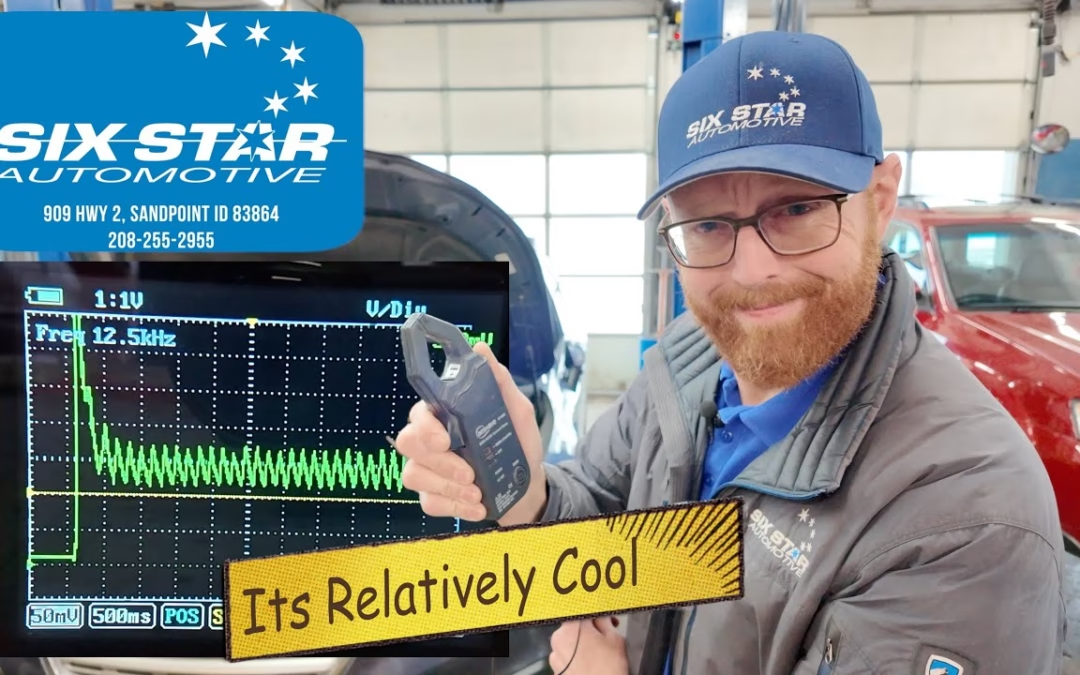
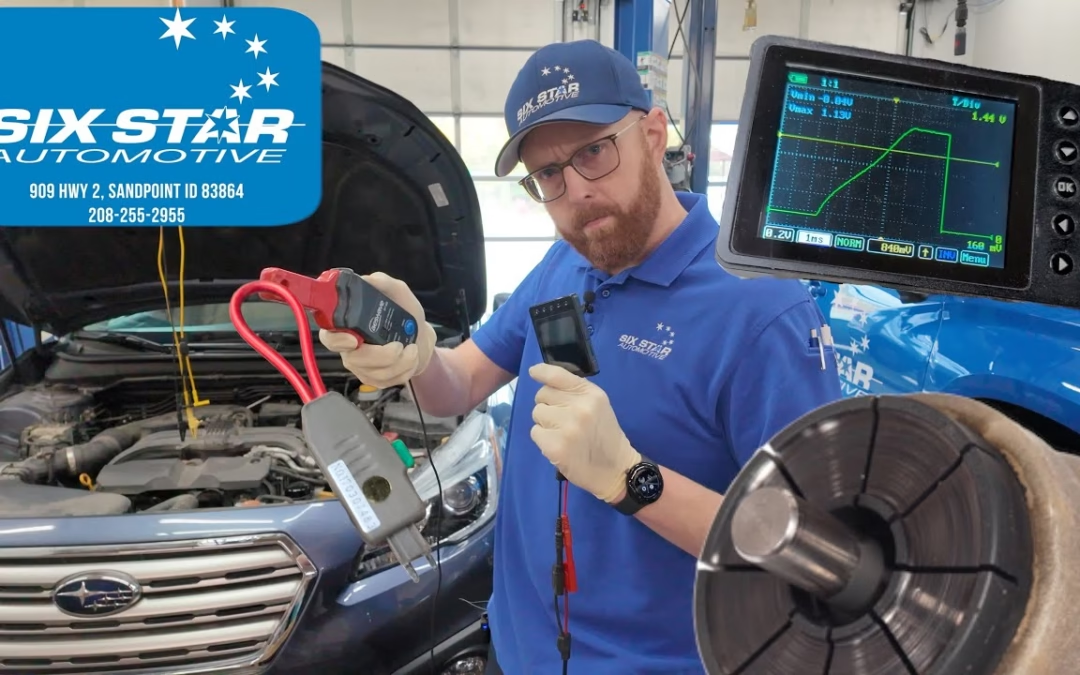
In this video, I break down how to perform a Relative Compression Test using an oscilloscope. This fast, non-invasive diagnostic method lets you check engine health without removing spark plugs. You’ll learn how to set up the test, connect a current clamp, record the...
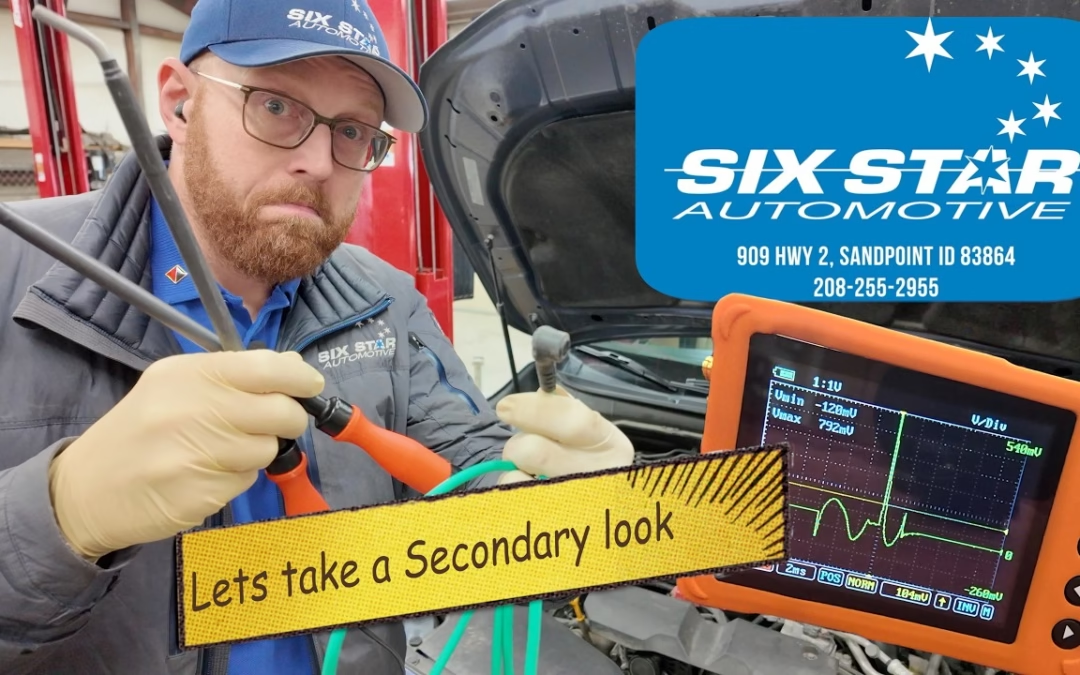
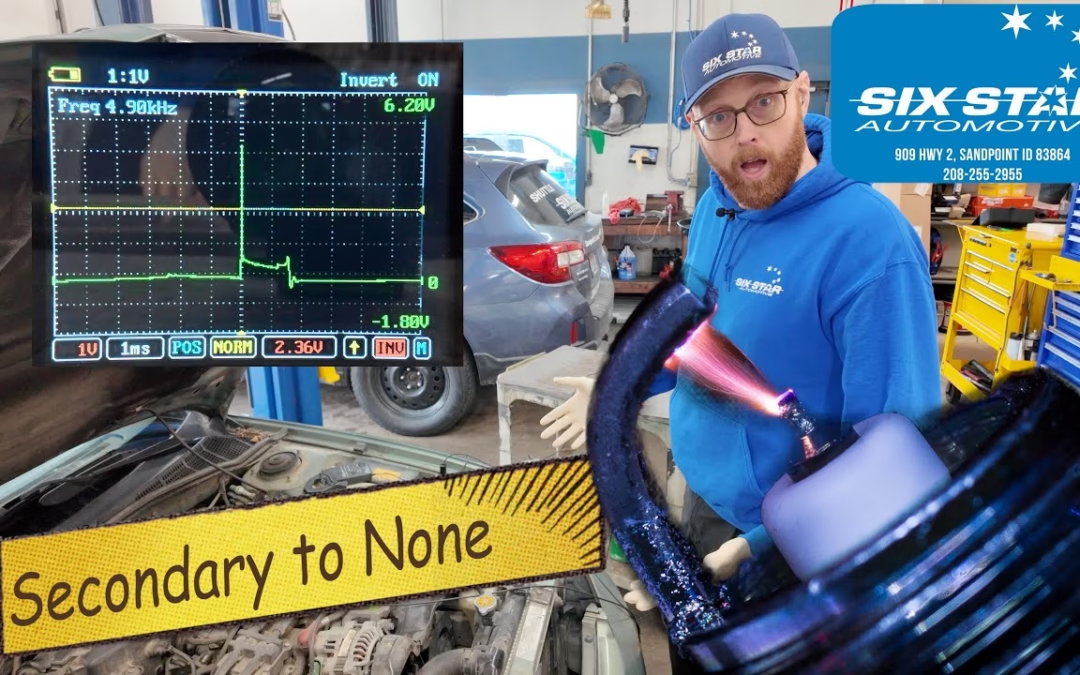
Secondary ignition diagnostics are often overlooked in modern vehicles due to coil-on-plug systems—but the waveform still tells a powerful story. In this video, secondary ignition waveforms are captured and analyzed using an oscilloscope to reveal what is actually...
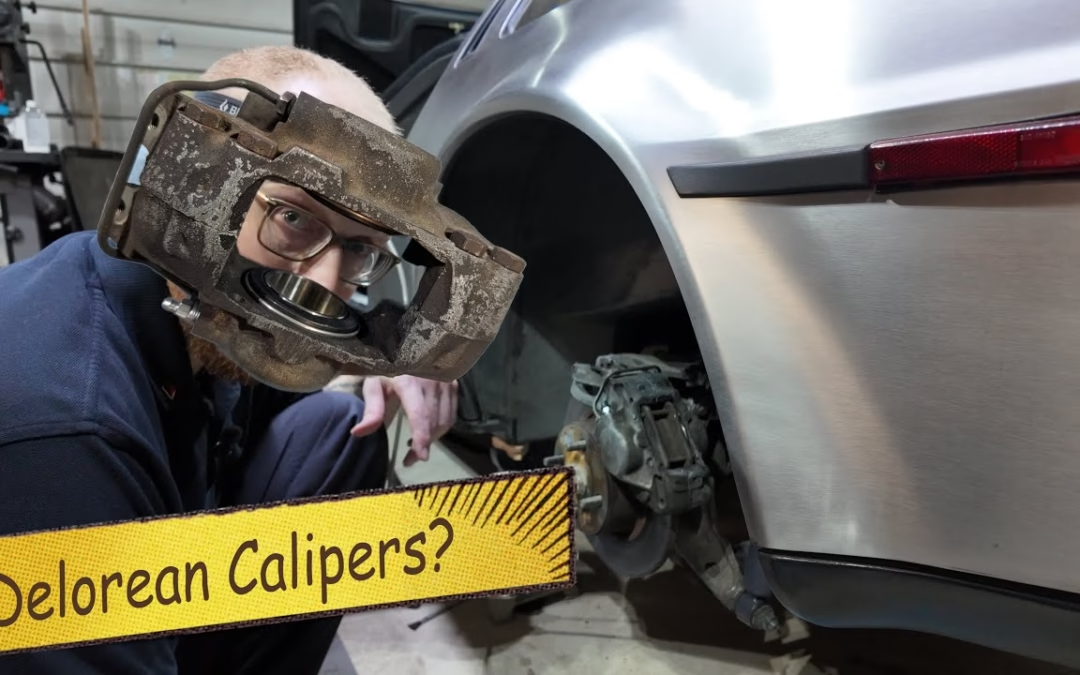
Today we’re rebuilding the rear brake calipers on a DeLorean — a job that solves common issues such as dragging brakes, uneven pad wear, sticking pistons, and handbrake imbalance. The DeLorean’s rear calipers have some unique design quirks, including the integrated...
Learn practical lab-scope workflows you can use today. We reinforce the basics with real-world tests: checking primary ignition current with a low-amp probe, verifying an entire bank of coils via the common power feed, reading fuel-pump current through a fuse-loop...
Everyone’s talking about how bad the automotive industry is right now — low pay, burnout, lack of respect, and technicians leaving the trade. But that’s only half the story. In this video, I talk about what’s really going on in the automotive world — and why it’s not...
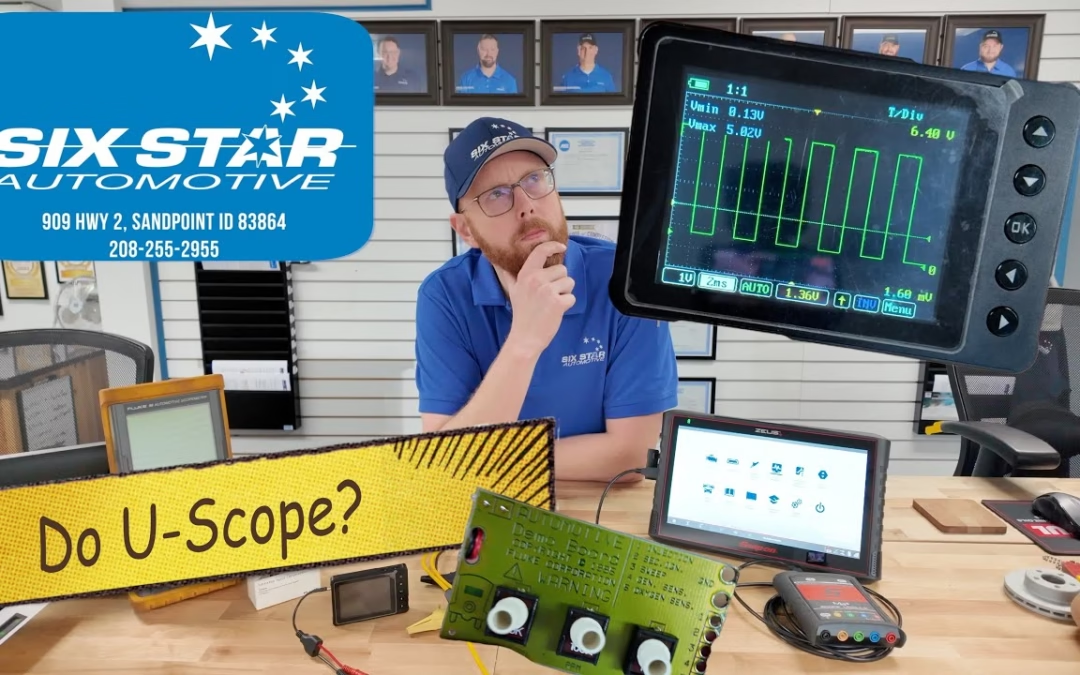
Automotive Lab Scope Basics | Understanding the uScope In this video, we walk through the fundamentals of using a lab scope (automotive oscilloscope) — what it does, how it works, and why it’s one of the most powerful diagnostic tools you can own. Using a signal...
5V reference circuits cause some of the most confusing “multiple sensor failure” diagnostics in modern vehicles. In this video I break down what 5V reference is, why it’s 5 volts, how the ECM/PCM uses it to measure sensors, and the built-in protections that keep a problem from turning into a catastrophe—most of the time.
This video is based on a real failure I caused during training: I shorted a 5V reference circuit to battery voltage (B+) and damaged a module. That mistake turned into a clear lesson on:
Why so many sensors share a 5V reference line
What happens when the 5V ref gets shorted to ground, shorted to power, or pulled down by a bad sensor
Why one failure can create multiple codes and “everything looks bad” symptoms
Practical troubleshooting steps to confirm the fault fast (without guessing)
If you diagnose MAP/TPS/pressure sensors, throttle bodies, A/C pressure transducers, fuel tank pressure sensors, and other 3-wire sensors, understanding 5V reference will make you faster and more confident.