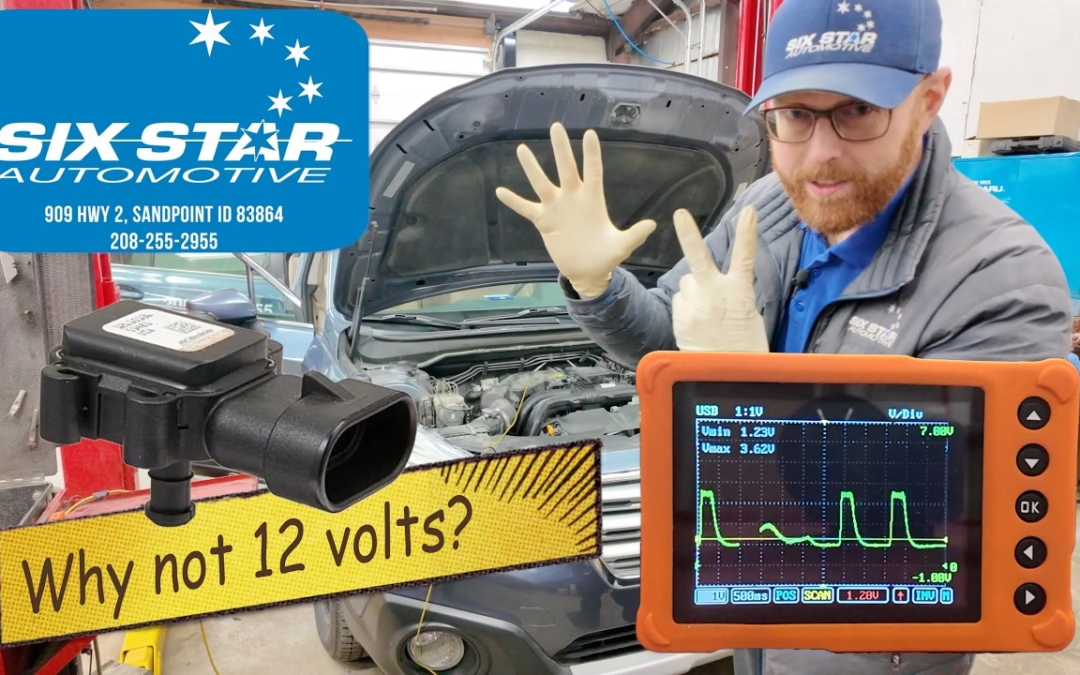
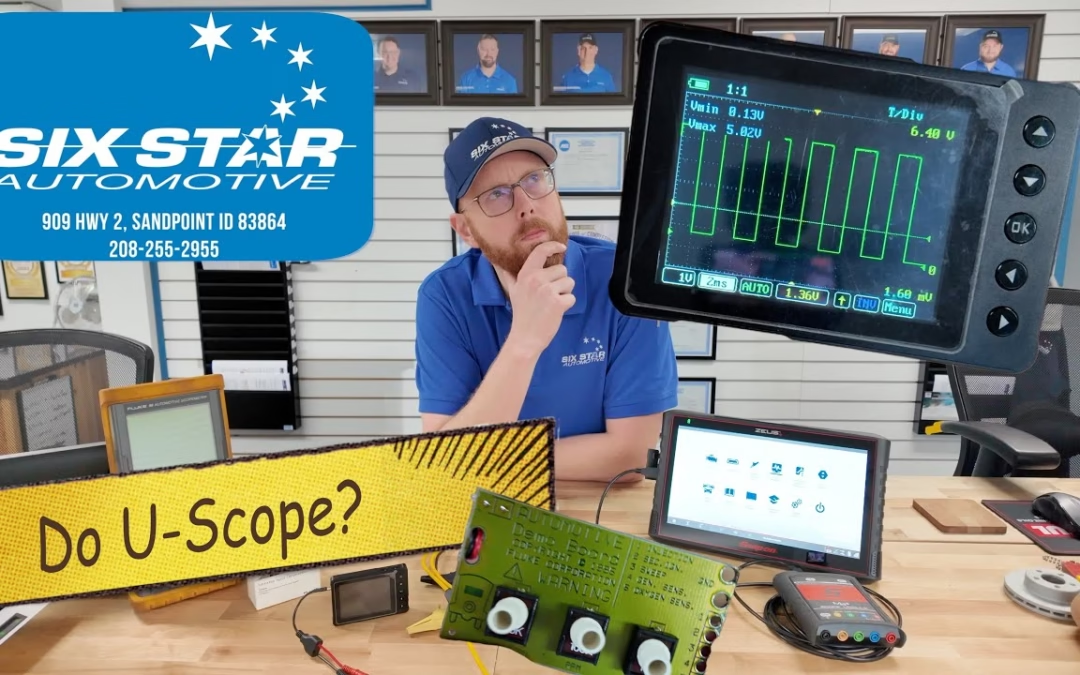
Uscope - https://www.aeswave.com/uScope-Master-Kit-p9622.html 5V reference circuits cause some of the most confusing “multiple sensor failure” diagnostics in modern vehicles. In this video I break down what 5V reference is, why it’s 5 volts, how the ECM/PCM uses it to...
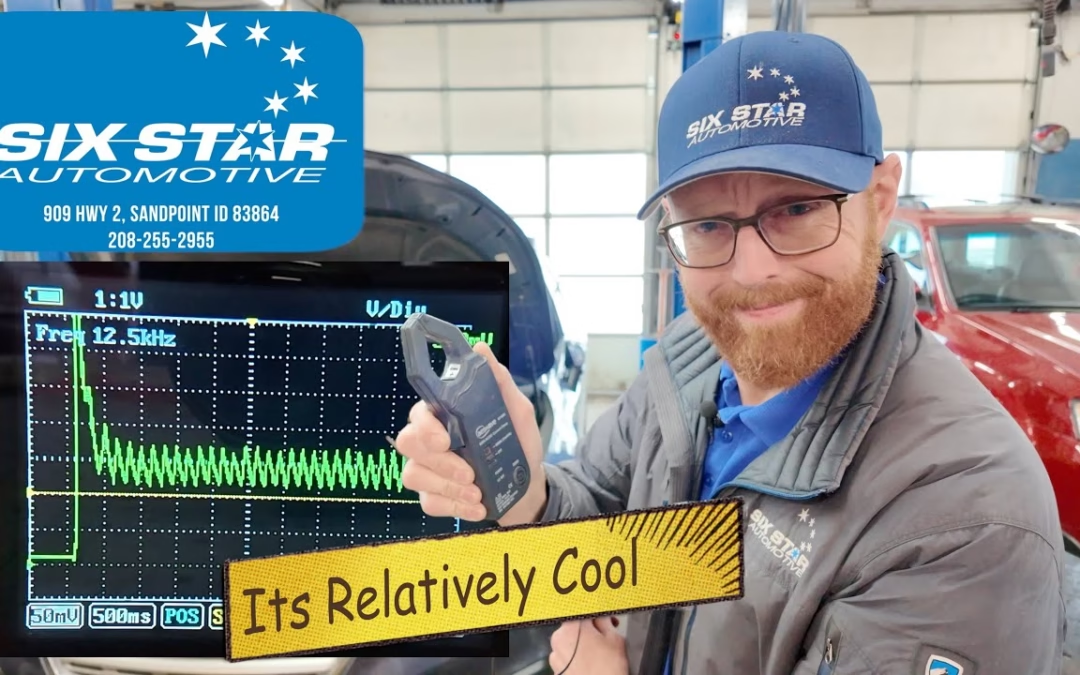
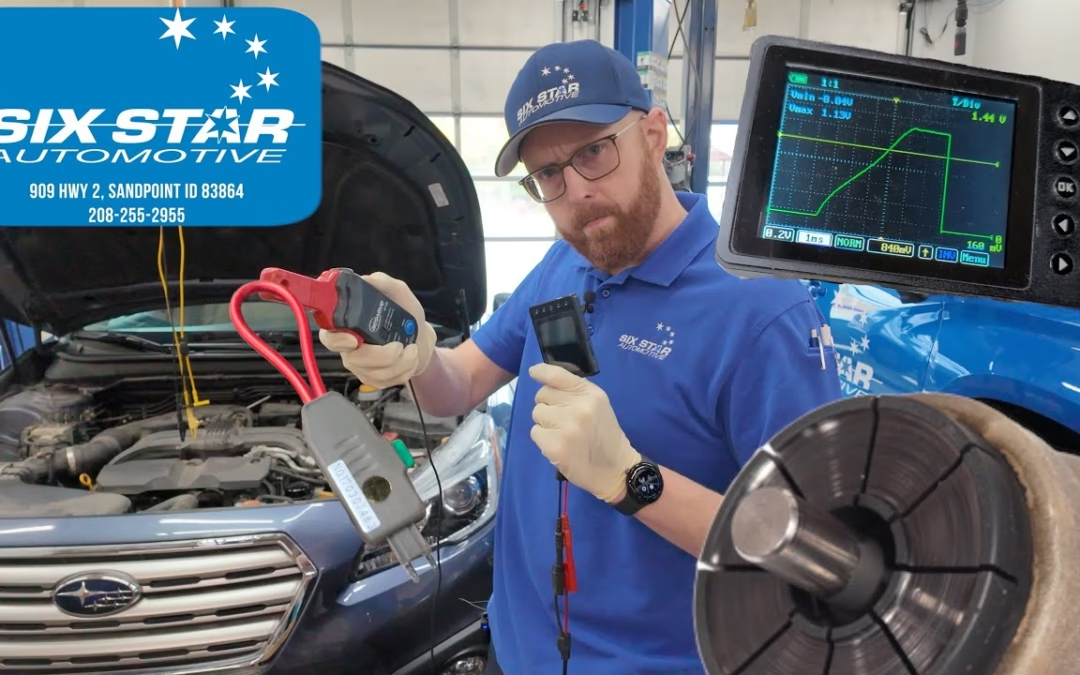
In this video, I break down how to perform a Relative Compression Test using an oscilloscope. This fast, non-invasive diagnostic method lets you check engine health without removing spark plugs. You’ll learn how to set up the test, connect a current clamp, record the...
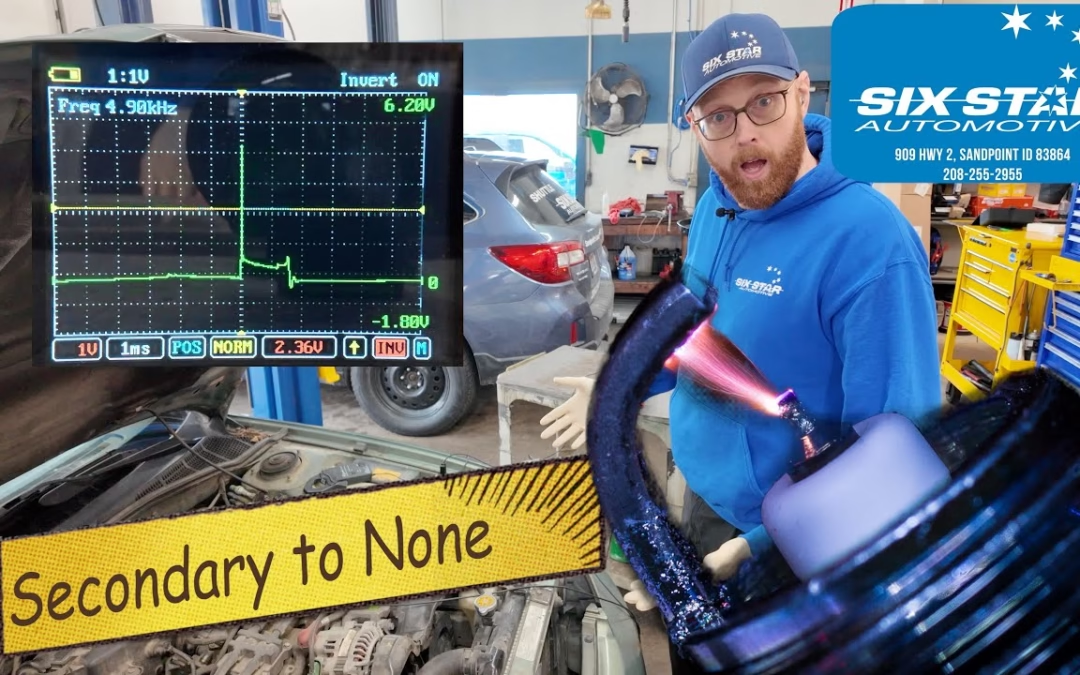
Secondary ignition diagnostics are often overlooked in modern vehicles due to coil-on-plug systems—but the waveform still tells a powerful story. In this video, secondary ignition waveforms are captured and analyzed using an oscilloscope to reveal what is actually...
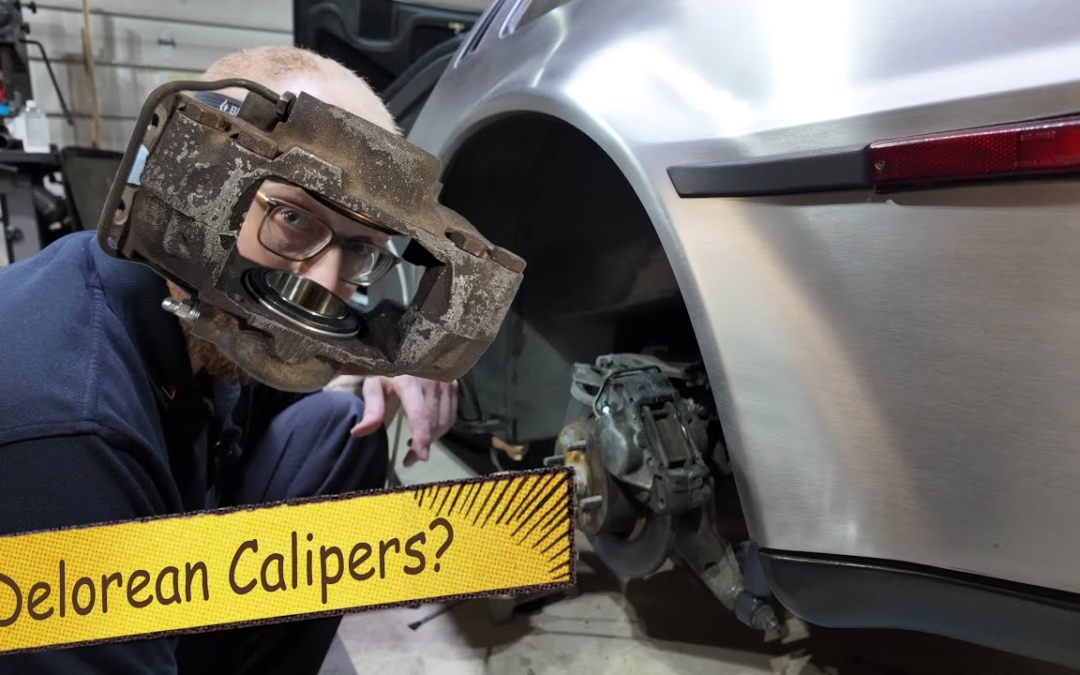
Today we’re rebuilding the rear brake calipers on a DeLorean — a job that solves common issues such as dragging brakes, uneven pad wear, sticking pistons, and handbrake imbalance. The DeLorean’s rear calipers have some unique design quirks, including the integrated...
Learn practical lab-scope workflows you can use today. We reinforce the basics with real-world tests: checking primary ignition current with a low-amp probe, verifying an entire bank of coils via the common power feed, reading fuel-pump current through a fuse-loop...
Everyone’s talking about how bad the automotive industry is right now — low pay, burnout, lack of respect, and technicians leaving the trade. But that’s only half the story. In this video, I talk about what’s really going on in the automotive world — and why it’s not...
Automotive Lab Scope Basics | Understanding the uScope In this video, we walk through the fundamentals of using a lab scope (automotive oscilloscope) — what it does, how it works, and why it’s one of the most powerful diagnostic tools you can own. Using a signal...
If you’ve ever scoped an ignition coil, injector, or solenoid and noticed the voltage spike climbing out of range—this video is for you. This is a practical breakdown of scope attenuators (like 10:1 and 20:1) and how to use them to capture high-voltage automotive signals safely without sacrificing waveform detail.
In this video:
What attenuation actually does (and why it matters)
How 10:1 and 20:1 change what you see on the screen
Which automotive signals commonly need attenuation
Quick rules to choose the right attenuator before you hit “record”
Tips to avoid bad readings (wrong scaling, ground reference issues, noise)
Signals that commonly need attenuation:
injector control signals
Inductive loads with big flyback spikes (relays, PWM solenoids, some injector circuits)
⚠️ Note: Always confirm your scope’s maximum input voltage rating and use the proper leads/probes for the job. Attenuators protect equipment—and keep captures accurate.
If you’re building your lab scope skills, subscribe for more real-world waveform walkthroughs and diagnostics content.